the pantry.
Everything on this page is something I'd actually recommend to a friend. Nothing here because it looked nice in a photo. I've grouped it by where you are in the journey — start at the top, work down only as far as you need.
Heads up: the links below are Amazon affiliate links. If you buy something through one, I get a small cut — costs you nothing extra, and it's what keeps this site running. All the opinions are mine. Oso has no financial interests.
This is the minimum viable sourdough setup. Everything here, nothing more. If you have these, you can bake a real loaf.

Digital Kitchen Scale
Sourdough is baked by weight, not cups. This is non-negotiable. The OXO 11-lb pull-out display model is the near-universal pick — even America's Test Kitchen lands on it — because the display slides out from under the platform so you can read it with a big bowl in the way. The Escali Primo is the budget pick if you want simple and accurate for less than half the price.
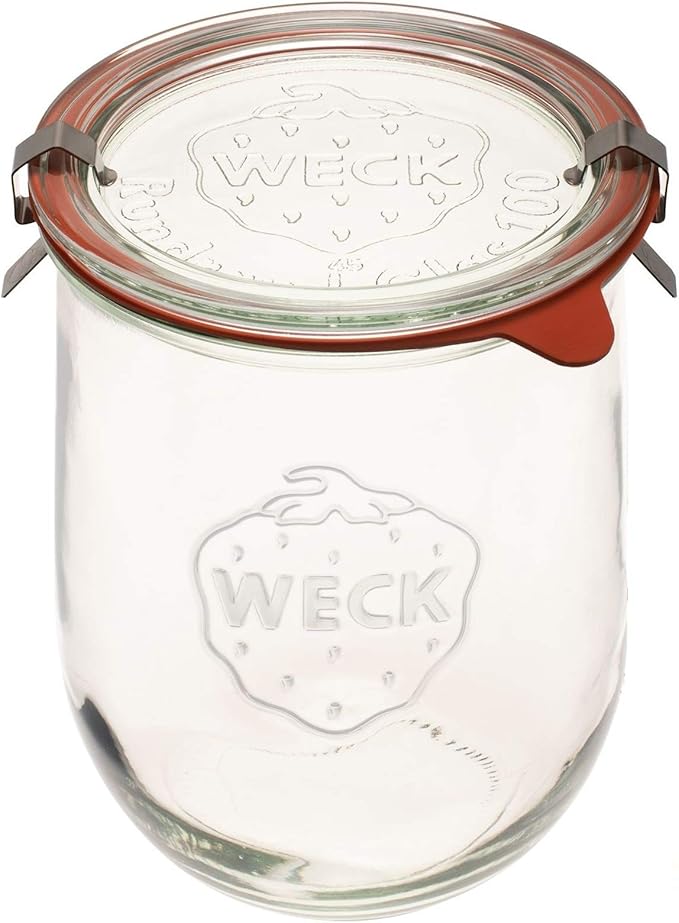
Starter Jar
A wide-mouth glass jar with straight sides so you can watch the rise. The Weck 743 (~25oz) is the one everyone uses — wide mouth, straight sides, easy to mark with a rubber band. A loose cloth cover works better than a tight lid.
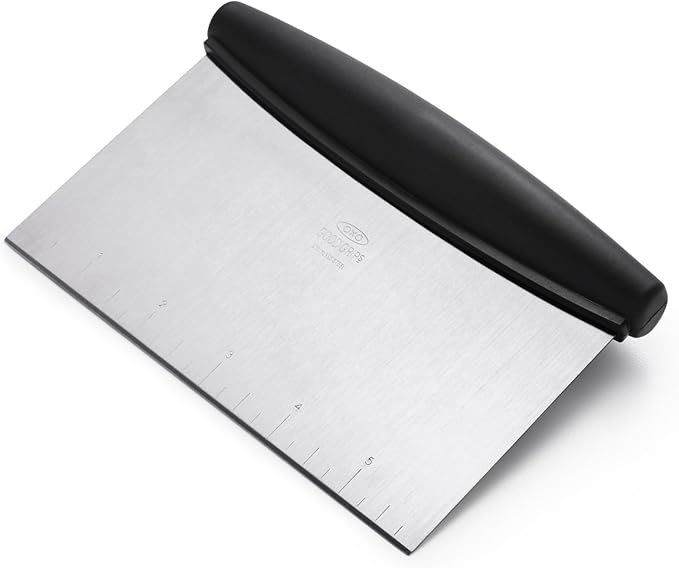
Bench Scraper
Cheap, indispensable. Shapes the dough, cleans the counter, divides loaves, scrapes everything. Get a metal one with a comfortable handle. You will use this every single bake.

Banneton (Proofing Basket)
The rattan basket that gives sourdough its spiral pattern. A 9" round works for a standard 900g loaf. Get one with a linen liner — it releases more cleanly than bare rattan and is easier to maintain.

Banneton Basket Liners
You could use rice flour, but why do that? Reusable liners are the way to go. There very cost effective and come in large quanities. It will take a while to run out and they store nicely.

Bread Lame (Scoring Tool)
A curved razor blade on a handle. Scoring the dough before it goes in the oven controls where it opens — and it's how you get that ear. The curved-blade lames are easier to use than straight ones for beginners.

Dutch Oven (5–5.5qt)
The most important piece of equipment you'll buy. The lid traps steam from the dough in the first 20 minutes — that's what gives sourdough its oven spring and crust. Most guides point you at a deep round Dutch oven, but the smarter first buy is the Lodge Combo Cooker: the shallow skillet half becomes your base, so you load dough onto a flat surface instead of dropping it down into a screaming-hot deep pot. America's Test Kitchen named it their Best Buy for exactly this reason, and it's around $40.
If you'd rather have a traditional round pot, a 5–5.5qt enameled Dutch oven works beautifully too. Le Creuset is the forever pot (~$380); the Challenger Bread Pan is the dedicated splurge serious bakers covet. All of them make excellent bread — the Lodge will just outlast your kitchen.
You've got the basics down. Oso is reliable. Your loaves are decent. Here's what takes it from decent to genuinely good.

Instant-Read Thermometer
Temperature is everything in sourdough — your kitchen temp, your water temp, and your dough temp all affect fermentation speed. A good instant-read (Thermapen or Thermopop) also tells you when the inside of your loaf hits 208°F and is actually done.

Dough Whisk (Danish Whisk)
Looks like something from a different dimension. Works better than a spoon, easier to clean than a stand mixer for wet sourdough dough. The open coil incorporates flour without overworking the gluten.

Bulk Fermentation Tub
A clear, straight-sided container lets you watch dough volume increase during bulk. A 4–6qt tub with measurement markings removes a lot of guesswork about when bulk is actually done.

Proofing Box (Brod & Taylor)
The expensive answer to "why does my starter behave differently in winter." A proofing box holds a consistent temperature so your fermentation is predictable regardless of your kitchen. The Brod & Taylor foldable model is the one the serious home baker community has converged on — it also doubles for yogurt, tempering chocolate, and proofing yeasted breads.
Not essential. But once you use one, you'll never want to be without it. Temperature control is a legitimate cheat code.
View on Amazon →
Silicone Bread Sling
A perforated silicone mat with handles that lowers your shaped dough into a screaming-hot Dutch oven without burning yourself or losing the shape. Sounds fussy. Is actually just safer and cleaner than the parchment-paper fumble.

Bowl Scraper (Plastic)
Different from the metal bench scraper — the flexible plastic bowl scraper is for getting dough out of round mixing bowls cleanly. Shaped to follow the bowl's curve. Extremely cheap, extremely useful.
Open baking means ditching the Dutch oven lid and baking directly on a steel or stone with oven steam. More control, better crust on multiple loaves, and you can bake two or four at a time instead of one. It's how bakeries do it.

Baking Steel
A thick steel slab that conducts heat far faster than ceramic. Preheat it for 45–60 minutes at your oven's max temp, and your bread gets a blast of bottom heat that stone can't match — better oven spring, deeper crust, more open crumb. The Baking Steel Original (⅜" thick) works for single loaves. The Plus (½" thick, 15"×20") fits four loaves at once.

Pizza Peel (Transfer Board)
How you get a shaped loaf onto a screaming-hot surface without losing its structure. A wooden peel works well for bread since dough slides more easily off wood than metal. Enough room to maneuver matters.

Lava Rocks + Cast Iron Pan (Steam)
Open baking requires you to generate your own steam. The classic home setup: a cast iron skillet filled with lava rocks on the bottom rack, preheated until glowing, then doused with boiling water as the bread goes in. Violent and effective. Lava rocks hold heat and throw steam faster than an empty pan, and the cast iron survives the thermal shock that would crack a regular pan.
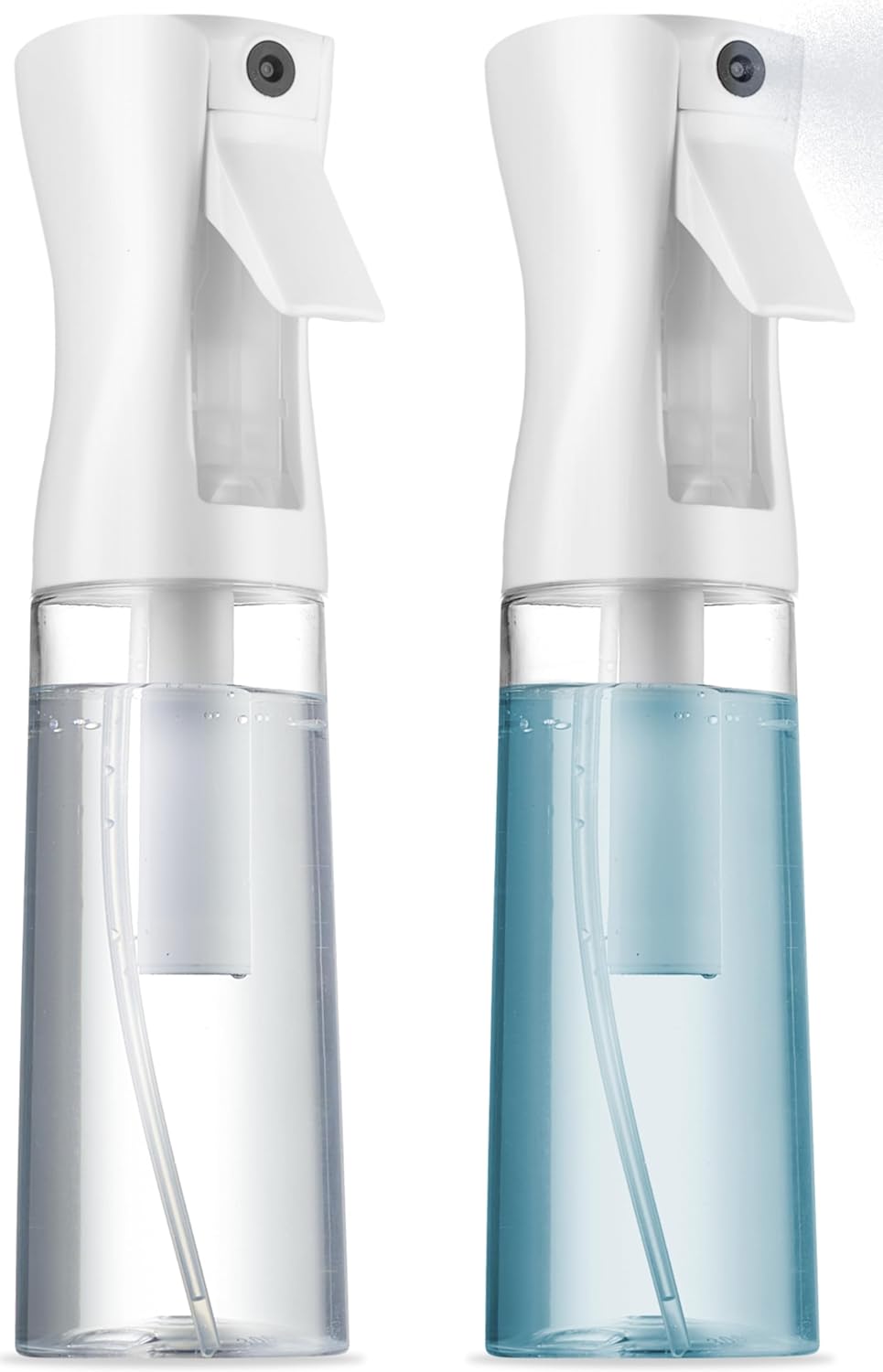
Food-Safe Spray Bottle
A backup steam method or supplement: mist the oven walls and dough surface as you load. Works well alongside the lava rock setup. Also useful for keeping dough from drying out during bulk in dry kitchens.

Long-Handle Oven Gloves
Regular mitts don't cut it when you're reaching into a 500°F oven past a boiling steam setup. Long silicone gloves that go past the wrist are worth having for open baking — and honestly for anything Dutch oven related too.
The stuff you actually use up. Flour choices matter more than most equipment choices. Here's what's worth buying.

King Arthur Bread Flour
High-protein (12.7%), unbleached, consistent batch to batch. This is the flour most serious home sourdough bakers use as their baseline — widely available, reliably strong, gives you a loaf that holds its shape. The 10lb bag makes sense if you're baking weekly. (More on why protein matters in the Flour Compendium.)

Bob's Red Mill Artisan Bread Flour
The other community favorite. Slightly different character than King Arthur — some bakers prefer the flavor, others find KA more reliable. Try both. Milled from high-protein North American wheat, unbleached, unbromated.

Whole Wheat Flour
Adding 10–20% whole wheat adds flavor, speeds fermentation (the bran feeds the starter), and gives the crust more color. King Arthur's is finely milled and doesn't affect structure as aggressively as coarser grinds. (See the whole wheat entry for blending notes.)

Grain Mill
If you want to mill your own flour, this is the machine. The Mockmill (100 or 200) is the stone mill the home sourdough community has largely converged on — it grinds fine enough for bread, adjusts on the fly, and mills straight into your bowl. The Nutrimill Classic is the budget-friendly impact-mill alternative if you're milling large batches and don't mind the noise.
Already have a stand mixer? The KitchenAid grain mill attachment is the cheapest way to dip a toe in before committing to a dedicated machine.

Wheat Berries (for home milling)
If you're milling your own — and it's worth trying — hard white wheat berries are the most versatile starting point. Milder flavor than hard red, good protein, plays well with sourdough. Hard red berries are more assertive and whole-grain forward. Both are best bought in bulk and stored cool and dry.

Fine Sea Salt
Table salt has iodine, which inhibits the wild yeast in your starter. Fine sea salt (no iodine) is what you want. Diamond Crystal kosher works too — but it's less dense than Morton's, so don't substitute by weight without adjusting.
Three books. That's it. Everything else is noise.

Artisan Sourdough Made Simple
The clearest beginner sourdough book that exists. No unnecessary complexity, no intimidating formulas — just straightforward instruction and genuinely useful recipe variations once you've got the basic loaf down. This is the one to hand someone who just asked you how to start.
View on Amazon →
Tartine Bread
The book that started the modern sourdough obsession. Dense, demanding, written by someone who treats bread the way other people treat religion. Don't start here. Come here after you've baked a few dozen loaves and want to understand what's actually happening.

The Perfect Loaf
The systematic, methodical counterpart to Tartine's intuitive approach. Maurizio Leo brings a software engineer's brain to bread — everything is explained, measured, and testable. The chapters on flour and fermentation are worth the cover price alone.
View on Amazon →